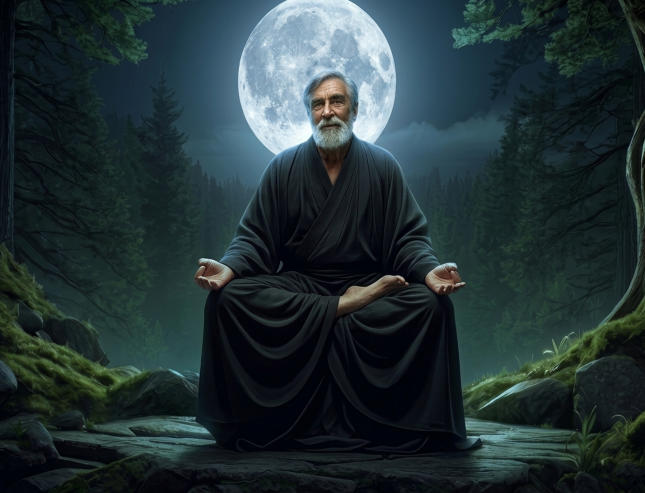
Carl Jung said

Many prominent individuals, particularly
in psychology, philosophy, and the arts,
have shared Carl Jung's interest in or
support of Buddhism.
Key Individuals and Fields Psychologists and Philosophers: Erich Fromm: A prominent psychoanalyst and humanistic philosopher, Fromm viewed Buddhism (particularly Zen) as a model for authentic psychotherapy and self-liberation, considering it an excellent example of a "humanistic religion". D.T. Suzuki: A Japanese scholar and Zen Buddhist who was a key figure in introducing Zen to the West. He had a direct dialogue and correspondence with Carl Jung, and Jung wrote a foreword to one of his books, recognizing the value of the practice for the Eastern mind. Alan Watts: A British philosopher, writer, and speaker known for interpreting and popularizing Eastern philosophies, including Zen Buddhism, for a Western audience. His work, like Jung's, has been highly influential in modern Western spirituality. Joseph Campbell: A renowned mythologist and writer, heavily influenced by Jung's work on archetypes, who also incorporated many Eastern spiritual ideas, including Buddhist narratives and philosophies, into his work on comparative mythology. Ken Wilber: An American philosopher and writer who has written extensively on integrating Eastern and Western approaches to personal growth, including the relationship between Jungian psychology and Buddhism. Jack Kornfield and Barry Magid: These individuals hold dual roles as psychologists/psychotherapists and Buddhist teachers, directly incorporating Buddhist elements, particularly mindfulness practices, into clinical work. Artists and Writers: Hermann Hesse: The German novelist, famous for works like Siddhartha, explored Eastern philosophies and spiritual journeys, reflecting a deep engagement with Buddhist themes. Mark Epstein: A practicing Buddhist and psychiatrist who has written books exploring the intersection of the two fields, such as Thoughts Without a Thinker: Buddhism and Psychoanalysis. These figures, in various ways, saw significant parallels or valuable insights in Buddhist philosophy that complemented their own work on the human mind and the path to psychological well-being or self-realization.



















































































































123 Portobello Road England GB 98765
© T. H. E. HOTEL